


Can AI Pray for Us?
How Faith and Artificial Intelligence Are Reshaping Spiritual Life in the Digital Age
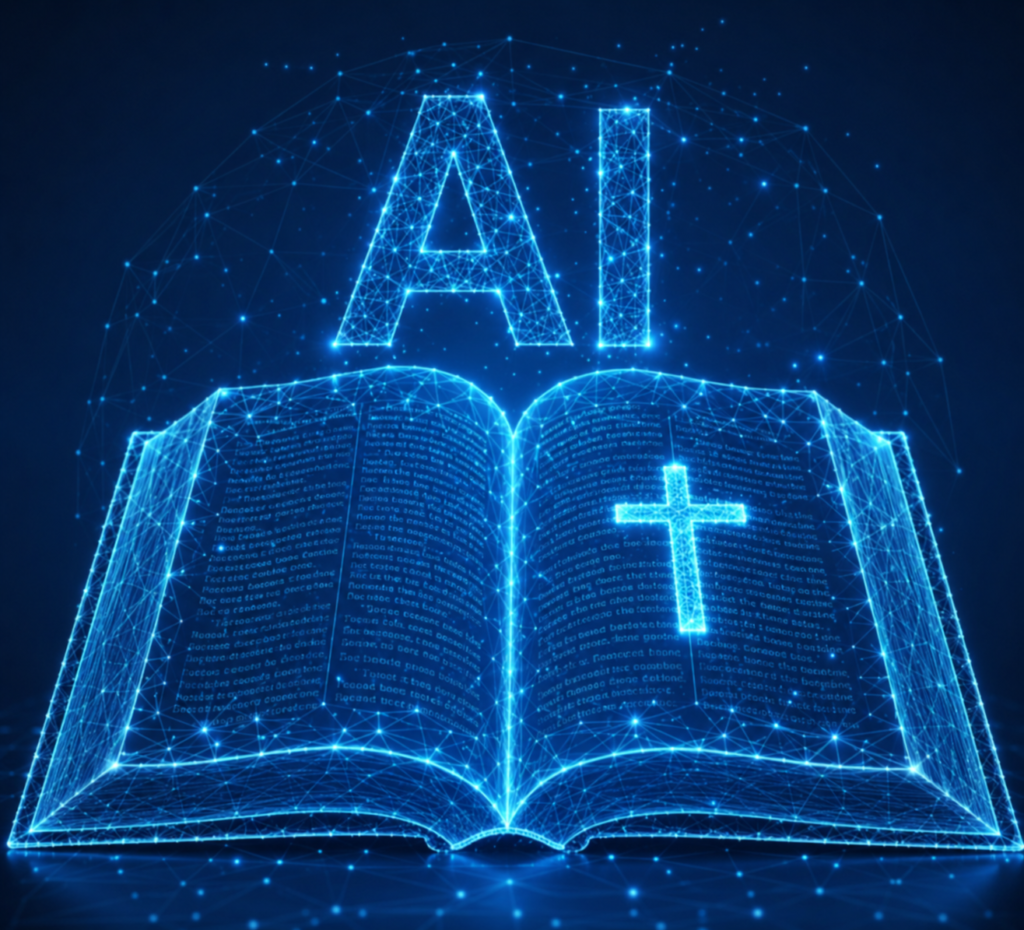
Artificial intelligence is rapidly transforming modern society. From communication and education to creativity and business, AI is now deeply integrated into everyday life. But one of the most unexpected developments is happening within the world of faith and spirituality.
Churches, pastors, technology leaders, and believers are increasingly discussing how AI should be used in spiritual spaces. Questions that once sounded futuristic are now becoming real:
Can AI write sermons responsibly?
Can a machine generate meaningful prayers?
Can technology assist spiritual growth without replacing authentic faith?
These conversations reveal something deeper than technology itself. They reveal humanity’s growing struggle to preserve truth, discernment, and real spiritual connection in an increasingly digital world.
The Growing Intersection Between Faith and Technology
Throughout history, new technologies have always influenced how people communicate spiritual ideas. The printing press changed access to Scripture. Radio and television transformed evangelism. The internet reshaped ministry worldwide.
Artificial intelligence may become the most influential shift yet.
Unlike earlier technologies, AI does not simply deliver information. It can imitate conversation, summarize theology, generate emotional language, answer spiritual questions, and create human-like responses within seconds.
Because of this, AI is beginning to enter spaces once considered deeply personal and sacred.
Technology companies are now consulting religious leaders from multiple faith traditions about ethics, morality, and human responsibility. Growing concerns about misinformation, manipulation, and harmful outcomes have pushed developers to seek guidance beyond technology alone.
This reflects an important realization:
innovation without moral boundaries can become dangerous.
As AI grows more powerful, conversations about truth, wisdom, and ethics are becoming impossible to ignore.
Why Churches Are Approaching AI Carefully
Many churches and spiritual leaders are cautiously exploring AI tools for ministry and communication.
Research from Barna Group suggests that many pastors already use AI for sermon research, brainstorming ideas, administrative tasks, and content organization. However, most remain uncomfortable with allowing AI to fully write sermons or replace personal study and prayer.
The concern is not only theological accuracy. It is also about authenticity.
Faith is not merely information. Spiritual teaching often comes through:
- prayer,
- reflection,
- conviction,
- discernment,
- and personal spiritual growth.
Many pastors worry that excessive dependence on AI could weaken these deeply human and spiritual processes.
Even when AI-generated content sounds correct, many believers still ask:
Does spiritually meaningful teaching lose something important when it is created primarily through automation?
This debate continues to grow as AI tools become more advanced and more common inside ministry settings.
The Rise of AI Spiritual Tools
One of the most controversial developments is the rise of AI-powered spiritual tools.
Today, users can find:
- AI-generated prayers,
- Bible chatbots,
- digital devotionals,
- AI-created worship content,
- and even virtual “Jesus” avatars designed to answer spiritual questions.
Some people view these tools as helpful resources that make spiritual guidance more accessible. Others believe they risk reducing faith into automated emotional experiences.
AI prayer generators are especially controversial. These systems allow users to type personal struggles, emotions, or fears into a chatbot, which then creates customized prayers within seconds.
The prayers often sound compassionate, poetic, and emotionally powerful.
Yet this raises difficult spiritual questions:
Can prayer become automated?
Does convenience slowly replace genuine communion with God?
And can a machine-generated response truly reflect spiritual wisdom?
These questions do not have simple answers, which is why opinions among believers remain deeply divided.
The Danger of Replacing Discernment With Convenience
One of the greatest dangers surrounding AI is misplaced trust.
Artificial intelligence pulls information from massive amounts of online data. Because of this, AI systems can confidently produce:
- inaccurate Bible references,
- distorted theology,
- fabricated quotes,
- or misleading interpretations.
This problem becomes especially serious when believers rely on AI for spiritual guidance without verifying sources carefully.
Discernment has always been essential within faith. In the AI era, it becomes even more important.
Technology can assist learning and research, but it cannot replace:
- wisdom,
- spiritual maturity,
- biblical understanding,
- prayer,
- or personal relationship with God.
Faith requires more than information. It requires transformation, humility, and spiritual awareness.
No algorithm can fully replicate those things.
Human Connection Still Matters
Another major concern is the possibility that churches may slowly replace genuine human care with digital efficiency.
AI can simplify communication, administration, scheduling, and content creation. But spiritual communities are built upon relationships, compassion, empathy, and presence.
Moments such as:
- prayer,
- grief,
- encouragement,
- counseling,
- confession,
- and worship
depend deeply on human connection.
Technology may support ministry, but it cannot replace the emotional and spiritual depth that comes through real relationships.
In many ways, the AI debate is not only about machines. It is about protecting what makes faith deeply human.
A Balanced Approach to AI and Faith
Many believers are beginning to adopt a balanced perspective toward AI.
Artificial intelligence can be useful for:
- organizing information,
- supporting research,
- language assistance,
- educational tools,
- and productivity.
But it should remain a tool — not a spiritual authority.
Healthy spiritual life still grows through:
- Scripture,
- prayer,
- worship,
- wisdom,
- community,
- and personal relationship with God.
AI may help people access knowledge faster, but it cannot replace spiritual discernment or genuine faith.
This is why many faith leaders encourage thoughtful and careful AI use rather than blind acceptance or fear-driven rejection.
Why the AI Debate Matters for the Future
The conversation surrounding AI and faith ultimately reflects larger questions about humanity itself.
As machines become increasingly capable of simulating emotional language and intelligent conversation, society must decide what it truly values:
- truth or convenience,
- wisdom or efficiency,
- relationship or automation,
- spiritual depth or instant answers.
The AI era may force believers to think more deeply about what authentic faith really means in a digital world.
Technology will continue evolving. AI will likely become more integrated into daily life, ministry, education, and communication.
But even in a future shaped by advanced technology, the deepest parts of faith remain profoundly human:
- prayer,
- discernment,
- love,
- worship,
- wisdom,
- and spiritual transformation.
Conclusion
Artificial intelligence is changing the modern world faster than many people expected. It is already influencing communication, creativity, ministry, and spiritual conversations across the globe.
Yet while AI can assist research, organization, and learning, it cannot replace authentic spiritual life.
No technology can substitute:
- genuine prayer,
- deep biblical understanding,
- wisdom,
- discernment,
- or a living relationship with God.
As believers navigate the growing relationship between faith and technology, perhaps the most important challenge is not learning how to make AI more human.
It is learning how to remain spiritually grounded, wise, and deeply human in an increasingly artificial world.